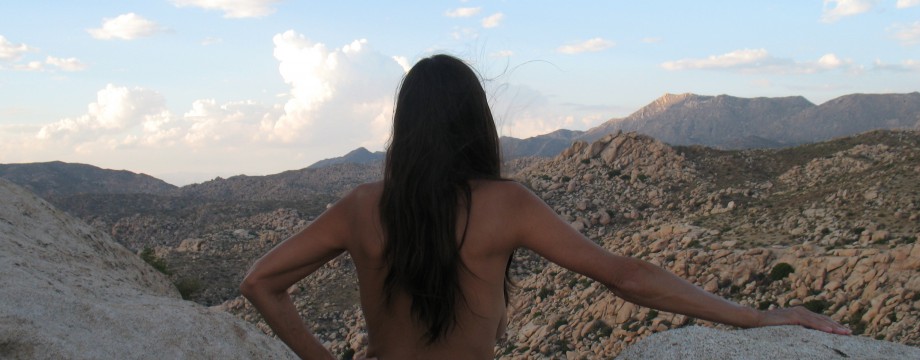
When I lived in the desert in the Tortolita foothills, north of Tucson, water was especially precious. The well was slowly going dry and needed the expensive supplementation of hauled water. I learned about drip irrigation and kept a 100 square foot veggie garden with only about 350 gallons a month. It had to be under a tough enclosure and shade netting to keep out the desert critters and elements.

When I moved back into town, city water felt abundant in comparison, but it can be expensive. There is also a certain moral integrity learned, when I see the dropping water table killing trees near riverbeds. It’s like pulling a rug out from under the venerable old.
I had traded my lush pristine desert land with over 42 saguaros in a natural sloping rock garden for a much smaller, flat, city dirt lot. It had one redeeming huge eucalyptus tree next to a large patio. Two nearly dead, severely stunted sad trees, which were more bushes, sat in dry tree wells. I put a tall wall around the property, got wholly barefoot all over, sat down under that big matriarch of a tree and started planning.

This is the town where Lancaster’s books, “Rainwater Harvesting” were written. The first thing to do was to make sure that the trees got what they needed. Trees then produce the shade to withstand the summer dry heat and create mulch. I dug ditches, made raised berms and created ponding, even adding a small bridge.

Roof water is integrated into the system. We waited for the monsoon to flood.
The city soil tended to dry up and act like concrete. Through a hidden gate, I hauled in trailer loads of mulch and organic compost. I then dug a couple of feet into the ground, mixing the organic materials. With a drip system and a hose, a veggie garden and several new trees began to thrive.
We were gifted four young saguaros, which are grown just for the fun. Planting these heavy cacti was a delicate procedure that was stubbornly tackled nude, like all of the rest of the transformation’s activity.

My original intention was to model the landscaping by what I knew, which was drought tolerant vegetation, xeriscaping. In desert dweller guilt, I soon felt the need to justify the water use and decided on the mix to be edible. There is that monetary issue and water savings, but there is also health. Great soil micro bacteria begets great plant micro bacteria and nutrition. In turn these edible plants work on my microbiome, the next up the chain. All three of us are filled with and depend on, the same kinds of life sustaining tiny critters. My taste buds exclaim the obvious difference, when good fresh food from good soil is compared to groceries offerings. We’re eating unparalleled nutritional density and health. We don’t have to get dressed to go shopping around in our own garden.

There is something more sensual about working a garden naked. The soil and dust into my pores, being caressed by the plants, breathing in the fresh air’s cornucopia of scents, tasting fresh unwashed foods as the juices explode with their crunch, sharing this with the earth’s beings, from microbial to grand leafy vegetables. It is all so natural as to make me feel a sense of at home. There is a vibe about it all.

Once water was introduced, there were weeds, or as they say, desert plants. Many of these were soon identified as a mix of edible drought tolerant local weed, like mustard, pig weed and dandelions. These are now used as veggies. Here grow useful plants with good scents, color accents, particularly various green color mixing. I’m constantly learning about working with the seasonal changes of a grand variety of plants.

Here, summer’s heat is the challenge, instead of the winter’s freezes and snow up north. This year we planted hemp and amaranth around the border for shade and tried odd and interesting heat tolerant vegetables, like Malabar spinach. We have an ongoing experiment for a cure to the heat by using local Native American solutions, like the three sisters and local seeds. Each year is more successful. That hemp and amaranth grew generally eight to twelve feet tall. Moringa, the super food tree, has begun to take hold. Last summer, we had a fun nutritional jungle!

In winter the garden gives me half of the food that I eat, the best half. I greet the morning sun and soil nude, stretching thankfully in the warming rays with bare feet next to the Earth. I then gather up, often, a dozen different leafy greens for my smoothie. Food diversity, fresh, from excellent nutritious soil, replaces store bought week old organic produce. I think back to my long lived relatives, each with a garden patch out back.

I’ve created a loop to feed the vegetation and soil. We have a community wood burning sauna, which makes ash, which has a symbiotic relationship with its composting toilet. We are using the Bokashi method on the waste and my kitchen scraps.
I’m experimenting with biochar, as well. It is at times messy, but easily washes off of a naked working body under the outdoor shower (water drains to a nearby tree).
The healthy green garden atmosphere certainly enhances the Sunday afternoon family sweat group’s experience. I give gifts to the soil and flora, and there is a return to share with my friends, who wander, mediate, sun and converse amongst the blessings, happily naked. Their pores opened by sauna heat to knowing the delight of contrasts in the breeze, cool water and sun.

I feel like I’ve been getting biologically younger. We’re always tan everywhere. Shade, sauna and a splash make even a 102F afternoon very livable. We’re learning and creating a more sustaining and natural lifestyle, by lessons, by details, by observation and by the awareness inherent in a naked body moving under the sun. “Nude and natural” have taken on a whole new meaning.
© The owners of TheFreeRangeNaturist.org as of the year 2015 declare. Unauthorized use and/or duplication of this material without express and written permission from this site’s author and/or owner is strictly prohibited. Excerpts and links may be used, provided that full and clear credit is given to TheFreeRangeNaturist.org with appropriate and specific direction to the original content.
 The Free Range Naturist
Pingback: Tucson Gardening – The Shaven Circumcised Nudist Life